Maltby Street Market Stall Cleaning Bermondsey for Traders
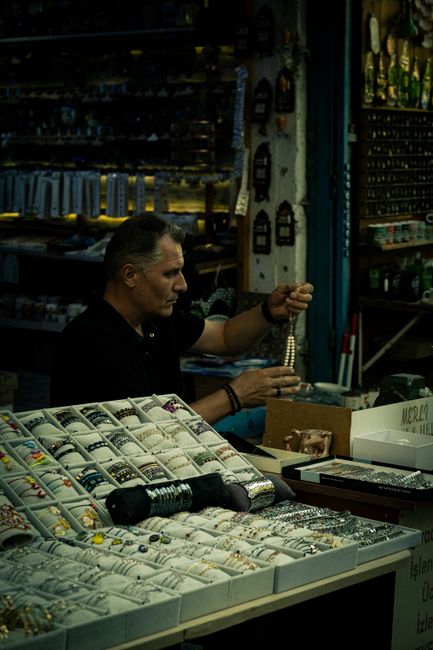
If you trade at Maltby Street Market, you already know the day is won or lost in small details. A clean stall, tidy display, fresh prep surfaces, and a floor that doesn't feel sticky underfoot can change how people stop, browse, and buy. That is why Maltby Street Market stall cleaning Bermondsey for traders is not just a background task; it is part of the trading experience itself. It affects presentation, hygiene, speed of setup, and the impression your customers take away in those first few seconds.
In a busy market environment, grime builds up fast. Crumbs, cooking splashes, packaging dust, muddy footprints, and the occasional spill can turn into a bigger issue before you know it. This guide walks through what stall cleaning actually involves, how traders can organise it properly, what to prioritise, and how to avoid the usual mistakes that make a stall look tired even when the products are excellent. A lot of the work is simple, but simple done well is the whole point.
Along the way, we'll cover practical routines, compliance-minded best practice, and the kind of decisions that help traders stay presentable without wasting time or energy. Let's face it, on market mornings nobody wants to be cleaning the same patch twice.
- Why stall cleaning matters
- How the cleaning process works
- Key benefits and practical advantages
- Who needs it and when
- Step-by-step guidance
- Expert tips for better results
- Common mistakes to avoid
- Tools, resources and recommendations
- Law, compliance and best practice
- Options and comparison
- Real-world example
- Practical checklist
- Frequently asked questions
Why Maltby Street Market Stall Cleaning Bermondsey for Traders Matters
Market stalls live in a different reality from a shop unit or office. There is less room, more foot traffic, changing weather, and constant handling of products, packaging, baskets, trays, and surfaces. In Bermondsey, where the market atmosphere is part of the appeal, your stall has to look good quickly and stay good throughout service. If it looks dusty, greasy, or cluttered, customers notice. Sometimes they notice before they even realise why they've stepped away.
Good stall cleaning supports three things at once: presentation, hygiene, and efficiency. Presentation is obvious. Hygiene is non-negotiable, especially for traders handling food, drinks, or anything with frequent customer touchpoints. Efficiency is the one people forget. A stall that is cleaned in a planned way is faster to set up, easier to pack down, and far less stressful on a busy trade day.
There is also a reputational side. At a market like Maltby Street, traders often build repeat custom through trust and word of mouth. A spotless stall sends a quiet signal that your operation is careful, reliable, and worth stopping for. That signal matters. More than people admit, to be fair.
And then there is the practical reality of damage prevention. Food residue, sugary spills, damp cardboard, and neglected floor marks can stain, attract pests, or wear down surfaces faster than you'd expect. Cleaning is not just about looking neat for the next customer. It protects your kit, your stock area, and your working day.
How Maltby Street Market Stall Cleaning Bermondsey for Traders Works
Stall cleaning works best when it is built into the rhythm of trading rather than treated as a separate chore that gets squeezed in later. In practice, this usually means three stages: before service, during service, and after pack-down. Each stage has a different purpose.
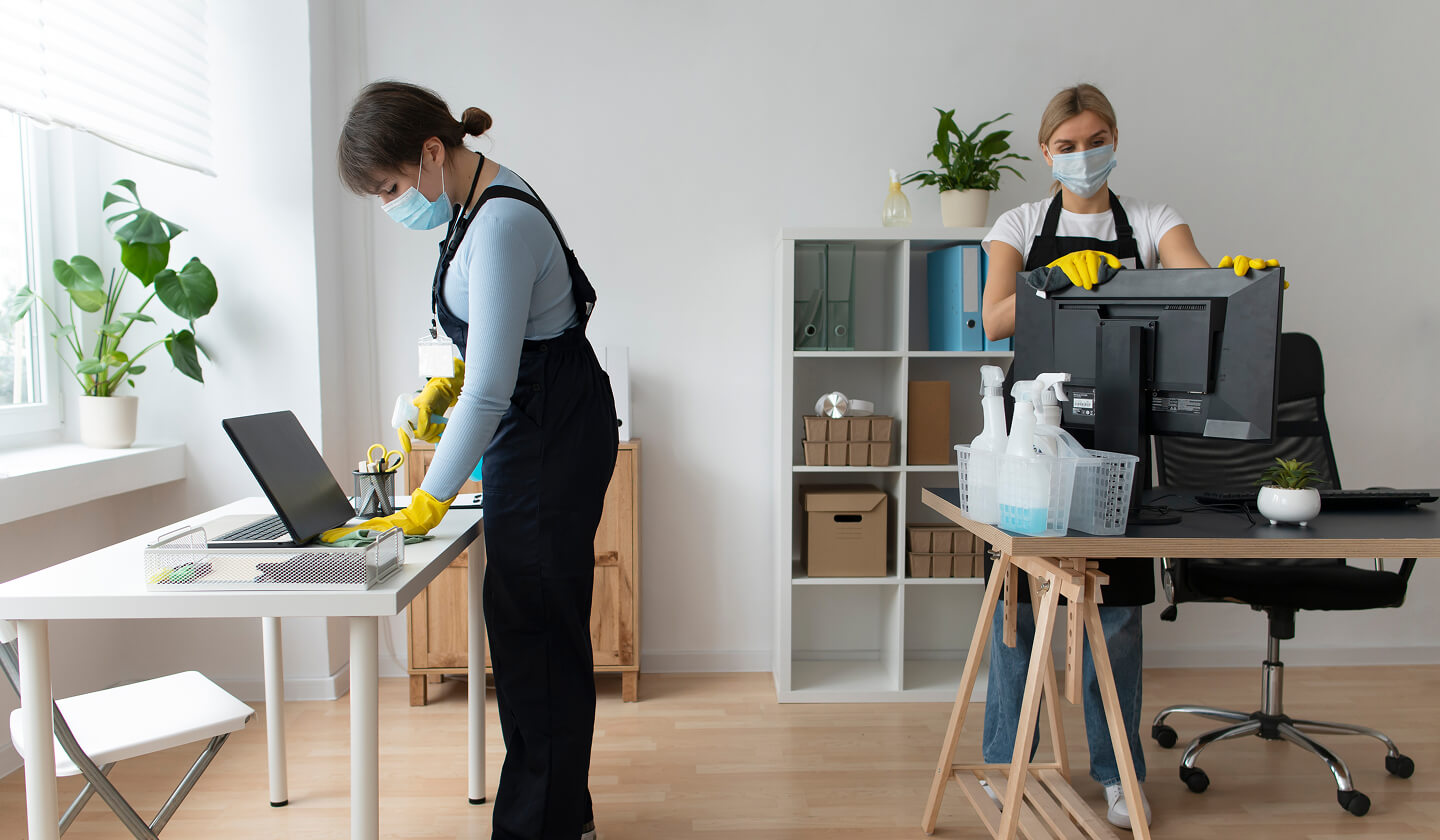
Before service, the aim is to start with a clean, dry, clutter-free workspace. Wipe down counters, clean any food-contact surfaces, empty bins, check for overnight dust, and make sure the floor is safe to walk on. This is the moment to spot problems early: a leaking container, a sticky patch, a smudge on glass, or a splash around prep areas.
During service, cleaning becomes maintenance. Small wipes, quick sanitising passes, and keeping waste under control stop mess from spreading. A trader who clears spills immediately usually has an easier afternoon than one who waits. It sounds obvious. Still, everyone gets caught out now and then when the queue is long and the coffee machine is running hot.
After service, the focus shifts to reset and protection. Pack away perishables safely, wash or sanitise tools, sweep or vacuum where appropriate, mop hard floors if needed, and deal with waste responsibly. This is also when you inspect display units, shelving, crates, and storage boxes for any residue that could carry over to the next trading day.
For some traders, this work is handled in-house. For others, it makes sense to bring in a professional cleaning company or arrange one-off cleaning after a particularly heavy trading weekend, event, or seasonal rush. The best approach depends on the stall type, trade volume, and how quickly you need the space turned around.
Key Benefits and Practical Advantages
The benefits of disciplined stall cleaning are not abstract. You feel them in the working day.
- Better customer perception: a clean stall feels safer, fresher, and more inviting.
- Faster setup and pack-down: when everything has a place, you waste less time hunting for cloths, spray bottles, or spill kits.
- Reduced cross-contamination risk: especially important where food is handled.
- Longer life for surfaces and equipment: regular care prevents buildup that can stain or degrade materials.
- Less stress during busy periods: a tidy stall gives you headspace when the market gets loud and crowded.
- Better compliance habits: clean routines make it easier to maintain the standards expected in food and retail settings.
There's another benefit that gets missed: morale. A fresh-looking stall simply feels better to work at. When you pull the shutter, unzip the storage bag, or lay out products on a clean surface, the whole day starts with a bit more confidence. You notice it in small ways. Fewer second guesses. Fewer apologetic glances at a sticky corner. More focus on trading.
If your stall includes seating, display fabrics, or fabric-backed signage, a broader maintenance routine can also help. In those cases, services like upholstery cleaning or sofa cleaning may be useful for trader break areas, customer seating, or soft furnishings used in hospitality-style setups.
Who This Is For and When It Makes Sense
This kind of cleaning matters for a wide range of traders, not just food vendors. If you run a coffee stall, bakery table, deli counter, street-food stand, flower stall, artisan goods display, or anything that uses worktops and customer-facing surfaces, you need a reliable cleaning routine. The exact methods differ, but the principle stays the same: the stall must be ready for public view and safe working conditions.
It especially makes sense when:
- you trade several days a week and mess builds up quickly
- your stall handles open food, drinks, or ingredients
- you notice grease, dust, or floor marks returning every session
- you've just had a heavy event or unusually busy weekend
- you share storage, prep areas, or surfaces with other traders
- you want a more professional finish without spending all morning cleaning
Some traders only need periodic support. Others need a regular schedule because the stall simply cannot be left to drift. If your equipment, flooring, or signage starts to look dull even after routine wipes, that is a sign the cleaning plan may need tightening up. Not dramatic, just honest.
And if the market has left your wider workspace in need of a deeper reset, you may also want to look at deep cleaning or, where surfaces are heavily marked and needing special attention, hard floor cleaning.
Step-by-Step Guidance
Here's a practical way to organise stall cleaning without overcomplicating it. Simple, repeatable, and realistic for a trader's schedule.
1. Clear the stall completely
Start with a clean slate. Remove stock, utensils, packaging, display baskets, and anything else that gets in the way. It is hard to clean properly around clutter, and, frankly, most missed spots happen because people try to work around things instead of moving them.
2. Sort waste first
Bin bag, recycling, food waste, cardboard, and broken packaging should be separated as early as possible. That stops rubbish from spreading back across the stall. If your operation creates a lot of packaging or end-of-day waste, a separate plan for disposal or even house clearance-style removal support can sometimes be helpful for bigger stockrooms or overflow areas, though that depends on your setup.
3. Wipe high-touch points
Focus on handles, lids, counters, card payment areas, condiment stations, and anything customers or staff touch repeatedly. These are the surfaces that collect fingerprints, sticky residue, and dust fastest.
4. Clean food-contact areas carefully
Where food is handled, use suitable products and methods for the surface type. The aim is to remove dirt without leaving moisture or residue behind. If you are cleaning stainless steel, laminates, counters, or prep boards, consistency matters more than showy products.
5. Tackle floors last
Floors collect the day's evidence. Crumbs, grit, drips, and mud track in with every pair of shoes. Sweep or vacuum first, then mop or scrub as appropriate. If your stall has a hard floor finish, a regular hard floor cleaning routine will usually make a noticeable difference.
6. Dry and inspect
Do not rush the final stage. Check corners, under tables, behind bins, and around cable runs. A quick visual scan often catches the little things: a damp patch, a smear on a panel, a stray label, a torn bag. Small stuff, but it adds up.
7. Reset for the next session
Return items neatly, store cleaning materials safely, and place fresh cloths or sanitiser where they will be easy to reach. The next service should start with less friction, not more.
Expert Tips for Better Results
Good stall cleaning is less about one big effort and more about a few smart habits repeated often.
- Use colour-coded cloths if possible. It helps reduce mix-ups between food areas, surfaces, and floor cleaning.
- Keep a small spill kit close by. You do not want to be hunting for paper towels when a drink tips over.
- Clean in the same order every time. Consistency saves mental energy on busy mornings.
- Let the cleaners work properly. Spray too much, wipe too soon, and you are just moving dirt around.
- Check weather impact. Rainy Bermondsey mornings can mean extra grit and damp, especially near entrances and walkways.
- Don't forget the hidden bits. Edges, undersides, crate corners, and shelf lips collect grime fast.
A small but useful trick: keep one cloth just for final polishing of visible front-of-house surfaces. It sounds fussy, maybe. But those final wipes can be the difference between "tidy enough" and "this looks properly looked after."
If your stall includes regular customer-facing glass or canopy panels, window cleaning can also make the whole setup feel brighter and more open. Natural light helps. People notice reflections, clarity, and shine even if they don't consciously say so.
One more thing: if you ever need support from a cleaner or a team of cleaners, be clear about your surfaces, opening hours, and what must be done before the first customer arrives. A good brief saves everyone time. And avoids the classic "I thought you meant the other counter" moment.
Common Mistakes to Avoid
Even experienced traders slip into habits that make cleaning less effective than it should be. Usually it is not because they do not care. It's because they are busy.
- Cleaning too late: dried spills are harder to remove and more likely to stain.
- Using one cloth for everything: it spreads dirt from one area to another and can undo your effort.
- Ignoring floor edges and corners: this is where grime hides and builds up quietly.
- Leaving stock in the way: clutter makes proper cleaning impossible.
- Over-wetting surfaces: too much liquid can damage certain materials and slow reopening times.
- Forgetting touchpoints: customers notice handles, card machines, and serving areas more than you may think.
- Skipping the final inspection: the tiny missed bits are often the ones that make the stall feel unfinished.
Another common one: trying to turn every session into a deep clean. That is not realistic, and it is not necessary. A good trader routine balances quick daily cleaning with periodic heavier cleans. Otherwise you burn out. No one needs that before 8 a.m.
Tools, Resources and Recommendations
You do not need a mountain of equipment to keep a market stall in good shape. What you do need is the right small kit, kept ready and restocked.
| Tool or item | What it helps with | Practical note |
|---|---|---|
| Microfibre cloths | Wiping surfaces and removing fine dust | Keep separate cloths for food areas and general surfaces |
| Neutral cleaning spray | Daily wipe-downs | Choose products suited to the surface, not just the scent |
| Brush and dustpan or compact vacuum | Loose debris and crumbs | Use before mopping so grit does not smear |
| Mop and bucket | Hard floor care | Do not over-wet and leave standing water |
| Spill kit | Fast response to accidents | Best kept in the same place every session |
| Disposable gloves | Short cleanup tasks and hygiene | Change them often; gloves are not magic, annoyingly enough |
For broader property or commercial maintenance support, some traders also rely on office cleaning style routines for back-of-house spaces, storage areas, or shared prep rooms. While a market stall is not an office, the same mindset helps: tidy work zones, clear touchpoints, and predictable routines.
If your stall operation has soft furnishings, floor mats, or customer seating areas, services such as rug cleaning and carpets cleaner support can be useful where fabric holds onto dust, food odours, or spill marks.
Law, Compliance, Standards, or Best Practice
For traders, cleaning is tied closely to hygiene, safe working practices, and general business standards. The exact duties depend on what you sell and how your stall operates, but a sensible approach is to keep cleaning measurable, repeatable, and suited to the risks of your setup.
If you handle food, you should be especially careful about surface hygiene, cross-contamination, waste handling, and the condition of equipment. If you sell non-food goods, the concerns are slightly different but still real: dust, trip hazards, slippery floors, and a stall front that gives the wrong impression. In shared market spaces, you also need to think about neighbouring traders, public access, and how cleaning affects the area around your pitch.
Best practice usually includes:
- a documented daily cleaning routine
- safe storage of chemicals and cloths
- separation between food and non-food cleaning tools
- prompt spill response
- clear waste removal arrangements
- periodic deeper cleaning for built-up grime
If you use any outside help, it is sensible to ask about insurance and safety and to check that their working practices fit your environment. Also useful are internal policies like the business's health and safety policy, terms and conditions, and recycling and sustainability approach, especially if your stall creates regular waste streams or you want a more responsible disposal routine.
For trader peace of mind, it also helps to know how a provider handles complaints, privacy, and payments. That sounds like admin, yes, but admin is part of trust. Clean work should come with clear process, not guesswork.
Options, Methods, or Comparison Table
There is no single right way to handle market stall cleaning. The best choice depends on how busy you are, what you sell, and how much cleaning the stall needs between trading sessions.
| Approach | Best for | Strengths | Limitations |
|---|---|---|---|
| Trader-led daily cleaning | Stalls with light to moderate mess | Low cost, immediate, flexible | Depends on time, energy, and consistency |
| Scheduled professional cleaning | Busy stalls or shared units | More thorough, reliable standard, less owner workload | Needs booking and budget |
| One-off intensive clean | After peak trading, events, or resets | Fast recovery, deep refresh | Not enough on its own for ongoing maintenance |
| Hybrid approach | Most traders with changing demand | Balances cost and quality | Requires a sensible routine and clear scope |
For many traders, the hybrid option is the sweet spot. You handle the daily wipe-downs and spill control, then bring in deeper support when the stall needs a proper reset. That keeps the routine realistic. It also stops cleaning from eating the whole morning.
Case Study or Real-World Example
Picture a Bermondsey trader running a small food stall through a busy weekend. By Sunday afternoon, the counter has a light grease film, the floor near the serving side has sticky marks, and cardboard packaging has started to pile up behind the display. Nothing dramatic. Just enough to make the stall feel tired.
The trader starts the next session with a simple change: clear everything down to basics, separate waste immediately, wipe counters before stock goes back out, and give extra attention to the floor edge where crumbs and grit collect. They also build in a five-minute closing routine so the next morning begins with less to do. Over a few weeks, the stall looks brighter, setup becomes quicker, and customers seem to stay longer at the front.
It is not magic. It is just organised cleaning. But organised cleaning has a way of making the whole operation feel calmer. And when the market gets noisy, that calm matters. You can hear the difference, almost.
Practical Checklist
Use this as a quick working checklist before opening, during service, or at close-down.
- Are all counters and food-contact surfaces wiped and dry?
- Are high-touch points clean, including handles and payment areas?
- Has waste been removed or properly sorted?
- Are floors free from crumbs, spills, and slippery patches?
- Are cleaning cloths and tools separated by task?
- Has any glass, canopy, or display frontage been checked?
- Are storage boxes, crates, and hidden corners free from buildup?
- Have any stains or sticky spots been dealt with immediately?
- Is the stall reset neatly for the next trading window?
- Do you know what needs a deeper clean later in the week?
If the answer to any of those is no, don't panic. Just deal with the highest-risk items first and work from there. Cleaning gets easier once the routine is honest.
Get a free quote today and see how much you can save.
Conclusion
Maltby Street Market stall cleaning Bermondsey for traders is really about protecting the part of your business people see first. A clean stall is easier to trust, easier to work from, and easier to keep trading from day to day. It helps with hygiene, presentation, and speed, but it also does something quieter: it gives your stall a sense of care.
That care does not need to be fussy or perfect. It just needs to be consistent. A little discipline before opening, a few smart habits through the day, and a proper close-down routine can make a bigger difference than most traders expect. And when the market is busy and the coffee is cooling faster than you'd like, that steady routine is worth its weight in gold.
So start with the basics, keep the system simple, and build from there. The stall will thank you for it, and so will your customers.
Frequently Asked Questions
What does stall cleaning involve for Maltby Street Market traders?
It usually includes wiping counters and touchpoints, managing waste, cleaning food-contact areas, and keeping floors safe and presentable before, during, and after trading.
How often should a market stall be cleaned?
Most stalls need a light clean every trading day and a deeper clean on a regular schedule, depending on footfall, product type, and how much mess the stall generates.
Is daily wipe-down cleaning enough for a food stall?
Daily wipe-downs are essential, but they are usually not enough on their own. Food stalls tend to need a mix of quick daily cleaning and periodic deeper cleaning.
Why is professional cleaning useful for traders?
Professional cleaning can save time, improve consistency, and deal with stubborn grime or problem areas that are hard to manage during a normal trading day.
What surfaces need the most attention on a market stall?
Counters, handles, payment points, prep surfaces, display edges, and floors are the main ones. They collect the most visible dirt and the most contact.
Can stall cleaning help with customer confidence?
Yes. Customers tend to trust stalls that look tidy, fresh, and well maintained. Cleanliness is one of the first things people read as professionalism.
What is the biggest mistake traders make with cleaning?
The biggest one is waiting too long. Once spills dry or crumbs get walked into corners, cleaning becomes slower, harder, and less effective.
Should traders keep separate cleaning cloths for different areas?
Yes, that is a sensible habit. Separate cloths help reduce cross-contamination and make it easier to keep food areas cleaner.
When does a trader need a deeper clean rather than a quick tidy?
If stains keep coming back, surfaces look dull after wiping, or floor edges and hidden corners are building up grime, it is probably time for a deeper clean.
How do I keep cleaning from taking over my whole morning?
Use a fixed routine, keep tools in one place, clean as you go, and reserve deeper tasks for a planned session rather than trying to do everything at once.
Are floor mats and soft furnishings important in a stall setup?
They can be. Mats, rugs, and soft seating can trap dirt and odours, so they need their own maintenance plan and occasional specialist care.
What should I ask a cleaning provider before booking?
Ask what is included, how they handle safety and insurance, what surfaces they can clean, and how they work around your trading hours and setup.
And if you want a provider who understands the balance between speed, care, and real-world market conditions, take the next step when you are ready. A clean stall is not just a nice extra. It is part of how a trader shows up, day after day.