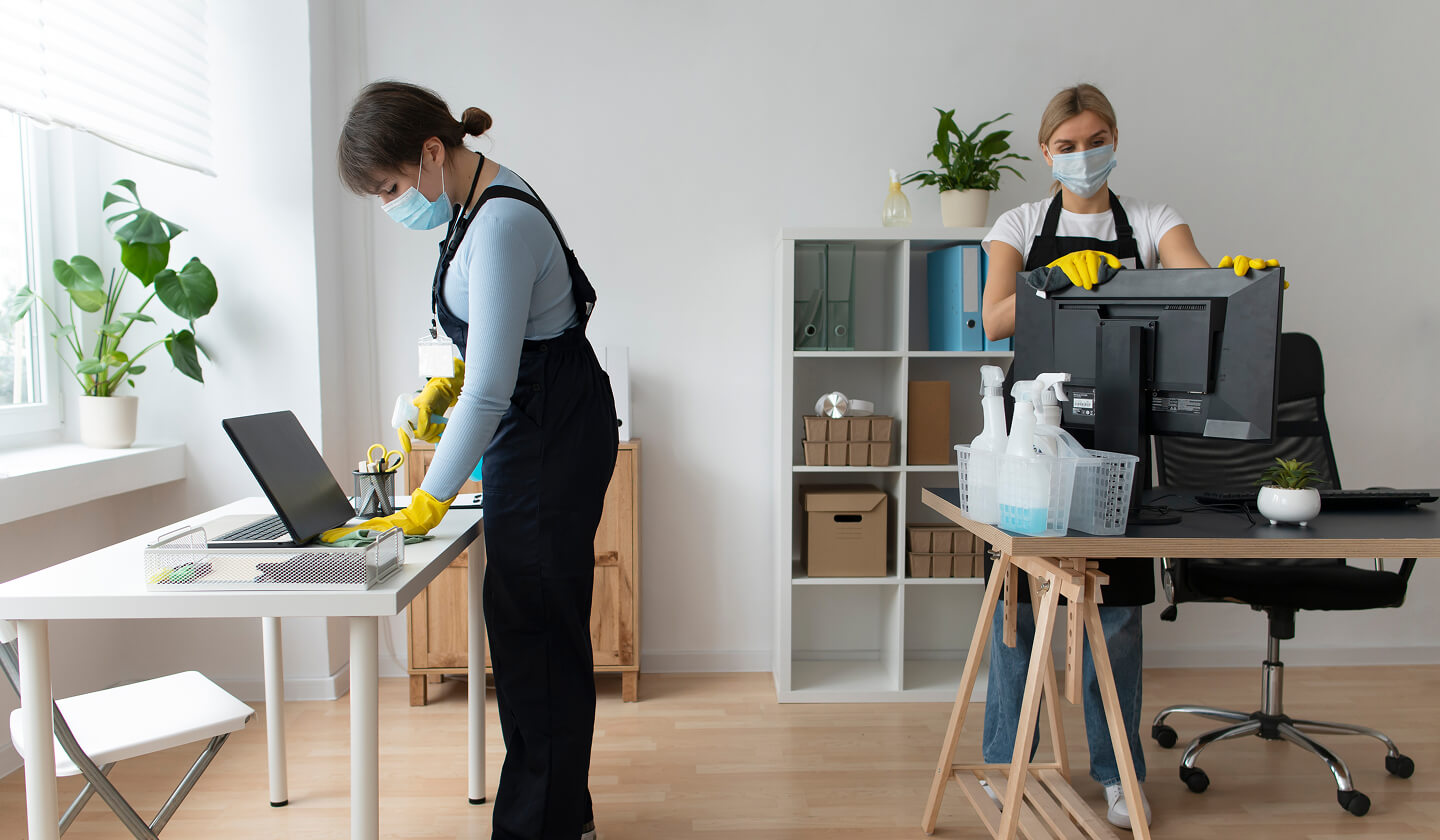
Bermondsey Street flat cleaning guide for SE16 tenants
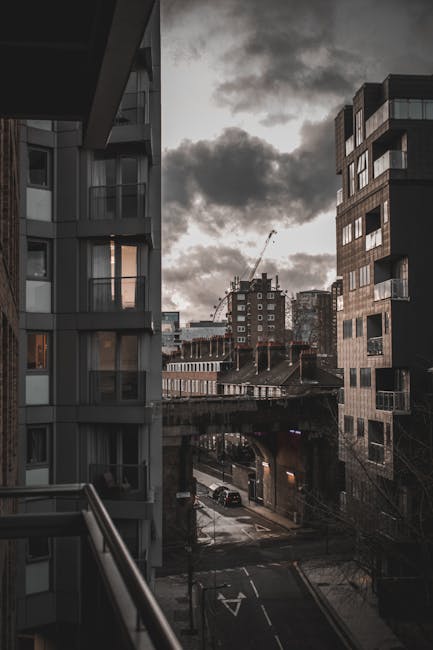
If you rent on Bermondsey Street or anywhere nearby in SE16, flat cleaning can feel oddly high-stakes. One day it is crumbs in the kitchen and dust on the skirting boards; the next, it is a full end-of-tenancy rush with keys due back, the oven looking suspiciously medieval, and a letting agent who wants the place to shine. This Bermondsey Street flat cleaning guide for SE16 tenants is here to make that process calmer, clearer, and much more manageable.
We will walk through what matters, how the cleaning process works, which tasks give you the biggest return, and where tenants often get caught out. You will also find a practical checklist, a comparison table, and a real-world example that mirrors the kind of flat many SE16 renters live in: compact, busy, and not always easy to deep-clean after a long lease. Truth be told, that is exactly why a structured plan helps.
Whether you are getting ready for checkout, refreshing a lived-in flat, or deciding whether to book professional help such as end of tenancy cleaning or a broader deep cleaning service, this guide is designed to save you time and reduce stress.
- Why it matters
- How flat cleaning works
- Key benefits and practical advantages
- Who this is for and when it makes sense
- Step-by-step guidance
- Expert tips for better results
- Common mistakes to avoid
- Tools, resources and recommendations
- Law, compliance, standards and best practice
- Options, methods and comparison table
- Case study or real-world example
- Practical checklist
- Conclusion
- Frequently asked questions
Why Bermondsey Street flat cleaning guide for SE16 tenants Matters
Flat cleaning matters because rental homes are judged by more than just "does it look tidy at a glance?". In SE16, where many flats are compact and well-used, little things stand out fast: limescale on taps, grease on hob knobs, dust around extractor fans, streaks on windows, and the not-so-glamorous build-up behind sofas or along the edges of flooring. If you ignore those details, the place can look fine to you and still fall short at inspection.
For Bermondsey Street tenants, the stakes are often practical rather than dramatic. You might be moving between shifts, packing boxes in narrow hallways, or trying to clean around furniture that has nowhere else to go. Let's face it, flat cleaning is easier when you do not leave everything to the final evening. A staged approach usually works better than one heroic, exhausting sprint.
It also matters because different types of cleaning solve different problems. A standard tidy-up keeps a home pleasant. A one-off cleaning visit can reset a flat that has slipped. A deeper, room-by-room clean is what tends to help at the end of a tenancy, especially if you want the property to look cared for rather than merely wiped down.
And there is a trust element too. Tenants often want proof to themselves, not just to an agent, that they have left the home in good shape. A proper cleaning process gives you that confidence. You know what was done, where, and why. That kind of clarity is underrated.
How Bermondsey Street flat cleaning guide for SE16 tenants Works
A good flat cleaning process works from the top down and the cleanest areas to the dirtiest. Start by removing clutter. Then dust high surfaces. Then move to fixtures, appliances, floors, and finally the touchpoints that collect fingerprints and grime. If you jump straight into the kitchen sink or the oven, you often end up cleaning the same surfaces twice. Not ideal.
For most SE16 flats, it helps to think in zones:
- Entrance and hallway: dust, marks, shoes, skirting boards, and door handles.
- Living area: upholstery, rugs, shelves, windows, and flooring.
- Kitchen: hob, oven, extractor, splashbacks, cupboards, sink, and fridge interiors.
- Bathroom: limescale, grout lines, mirrors, taps, toilet, shower screens, and drains.
- Bedrooms: wardrobes, under-bed dust, mirrors, and window ledges.
The real win comes from matching the method to the surface. Glass wants streak-free wiping. Stainless steel wants gentle, careful polishing. Soft furnishings may need specialist attention from upholstery cleaning or sofa cleaning if spills, odours, or dullness have built up over time. Hard flooring benefits from the right approach too, especially if you have scratched, dull, or sticky patches that need more than a quick mop; in that case, hard floor cleaning can be the better fit.
In practice, the cleaning process works best when you split it into three stages: prepare, clean, and inspect. That final inspection is where people either save themselves a second pass or discover a missed patch of dust on top of a cupboard. It happens all the time.
Key Benefits and Practical Advantages
There is a simple reason a structured flat clean pays off: it saves time later. A rushed clean often leads to rework, frustration, and those annoying little misses that show up only when the sunlight hits the window just right. A proper plan cuts that risk down.
Here are the benefits SE16 tenants usually notice most:
- Better checkout readiness: A consistent, thorough clean is easier to evidence and easier to explain if anyone asks what was done.
- Less stress during moving week: Packing and cleaning together is chaos enough. A plan keeps it manageable.
- Improved appearance: Fresh surfaces, clean glass, and dust-free edges make a flat feel brighter immediately.
- More effective use of money: If you book help, you want every hour to count. Focused cleaning does that.
- Reduced wear-and-tear anxiety: When the flat is clean, it is easier to spot real damage versus ordinary grime.
There is another benefit people rarely mention: once the space is clean, it is easier to make sensible decisions. You can see whether the carpets just need a standard vacuum or whether they would genuinely benefit from carpet cleaning. You can tell whether the oven needs a quick degrease or a more intensive oven cleaning treatment. Clean surfaces reveal the real state of the home. That is useful.
Expert summary: For most Bermondsey Street flats, the best results come from a mix of decluttering, targeted detail cleaning, and one final top-to-bottom inspection. Do not overcomplicate it, but do not skip the corners either.
Who This Is For and When It Makes Sense
This guide is mainly for SE16 tenants, but it is also useful for anyone living in a Bermondsey Street apartment, maisonette, or compact modern flat with shared or limited storage. You may find it especially helpful if you are:
- approaching the end of your tenancy and want the flat presentable for checkout;
- moving in and want to start fresh in a properly cleaned space;
- staying put but dealing with a build-up of grease, dust, or bathroom scale;
- preparing for guests, photos, or a valuation;
- trying to decide whether a professional cleaner would save more time than doing it yourself.
It also makes sense if your flat has a few "problem zones" that never quite stay clean. Maybe the bathroom gets damp quickly. Maybe the kitchen is small and the cooker picks up smells fast. Or perhaps your living room doubles as an office, which means the dust just seems to multiply around cables and monitors. If that sounds familiar, you are not alone. Modern London flats live hard.
For tenants who want broader support, it can be worth looking at domestic cleaning for regular upkeep, or home cleaners if you need a more ongoing arrangement rather than a one-off reset. There is no single right answer. It depends on the flat, the schedule, and how much work is staring back at you.
Step-by-Step Guidance
Here is a practical way to clean a Bermondsey Street flat without losing the afternoon to chaos. Think of it as a sequence, not a scramble.
-
Declutter first.
Pick up loose items, clear surfaces, bag rubbish, and gather laundry. Cleaning around clutter is like painting around furniture. Possible, but ridiculous.
-
Open windows and ventilate.
Fresh air helps reduce stale smells and makes product fumes less unpleasant. Even ten minutes can make a difference, especially in a closed flat after a damp week.
-
Dust from high to low.
Start with shelves, picture rails, lampshades, and cupboard tops. Then work down to skirting boards and lower fixtures. This stops dust falling onto already-clean areas.
-
Handle the kitchen carefully.
Degrease splashbacks, wipe cupboard fronts, clean the sink, and pay attention to handles and switches. If the oven is the worst offender, that is often the first area worth outsourcing or spending extra time on.
-
Deep-clean the bathroom.
Remove soap residue, descale taps, clean around the toilet base, and deal with glass or screen marks. Bathroom cleaning looks simple until you meet old limescale. Then things get stubborn. Very stubborn.
-
Refresh soft furnishings and flooring.
Vacuum thoroughly, including edges and under furniture where reachable. If your rugs or sofa have gathered odours or visible stains, specialist help from rug cleaning or sofa cleaning can be worth considering.
-
Clean windows and final touchpoints.
Finish with glass, mirrors, door handles, light switches, and visible smudges. These small details are surprisingly noticeable in daylight.
-
Inspect the flat with fresh eyes.
Stand in the doorway and look around slowly. Check corners, tops of frames, the space behind toilets, inside cupboards, and under sinks. This is where you catch the annoying little things.
If you want a more comprehensive reset than a standard tidy, a professional deep cleaning service may be the right next step. It is especially helpful when life has been busy and the flat has quietly drifted past "just a bit dusty."
Expert Tips for Better Results
A few small habits make the whole job easier. To be fair, most of the difference comes from planning, not from fancy products.
- Work in daylight when possible. Natural light shows streaks, dust, and missed corners much better than a single overhead bulb.
- Use two cloths for wet areas. One for loosening dirt, one for drying. It sounds basic, but it helps prevent smear marks.
- Let products sit briefly. On ovens, sinks, and shower screens, a short dwell time does the hard work for you.
- Clean handles and switches last. Those touchpoints get grimy again while you work elsewhere.
- Prioritise visible first impressions. Entrance hall, kitchen surfaces, bathroom mirrors, and living room glass tend to make the strongest impression.
- Do not rush drying. Damp patches can look like missed dirt, and in a flat they can also leave a musty smell by evening.
One practical note from real-world cleaning: if a flat has hard flooring throughout, the difference between a quick mop and the correct technique is huge. A streaky finish can make a room look half-clean even when it is not. That is why matching the method to the surface matters so much.
And yes, the oven. Everyone delays the oven. It is almost a tradition.
Common Mistakes to Avoid
Most flat cleaning headaches come from a handful of predictable mistakes. Avoid these and the job gets much easier.
- Starting too late. If you leave everything for moving day, you are setting yourself up for a long night and a tired inspection.
- Cleaning in the wrong order. If you mop first and dust later, you will just trail dirt back onto the floor.
- Using too much product. More spray does not mean better cleaning. Often it means residue, smearing, and extra wiping.
- Ignoring hidden zones. Behind radiators, under sinks, extractor fan covers, cupboard tops, and skirting edges often matter more than people think.
- Forgetting textiles. Curtains, sofas, rugs, and mattresses can hold odours even when the room looks tidy.
- Assuming "visibly clean" is enough. Small dirt trails, grease, and limescale can still be obvious in closer inspection.
There is also a psychological mistake: trying to clean the entire flat at once without any break. That usually leads to half-finished rooms and a creeping sense of defeat. Break the work into chunks. Kitchen first, then bathroom, then living spaces. Much better.
Tools, Resources and Recommendations
You do not need a cupboard full of specialist kit. A sensible basic set will do a lot of the work.
- microfibre cloths for dusting and polishing;
- a vacuum cleaner with edge tools for skirting boards and corners;
- a mop suitable for your floor type;
- a mild degreaser for kitchen surfaces;
- descaler or limescale remover for taps, shower screens, and sinks;
- non-scratch sponges for fixtures and glass;
- bin bags, gloves, and a small bucket or caddy to keep supplies together.
If your flat has carpeted rooms, a proper vacuum pass is helpful, but older stains and embedded dust may need more than that. In those cases, carpet cleaning or support from a carpet cleaner can save time and improve the finish. The same goes for marks that sit in the fibres rather than on the surface.
If windows are a recurring issue, especially if they sit above busy street-facing areas or collect traffic film quickly, window cleaning can make a dramatic difference to how fresh a flat feels. You notice it immediately, almost like someone turned the brightness up.
For tenants who want to understand how a business handles trust, safety, and service standards, it is also sensible to review pages such as about us, health and safety policy, and insurance and safety. Those details matter when someone is working in your home, even for a short visit.
Law, Compliance, Standards, or Best Practice
This guide is not legal advice, but there are a few practical standards tenants should keep in mind. In the UK rental market, the clean condition of a flat at the end of a tenancy is usually judged against the property's original condition, fair wear and tear, and the tenancy agreement. The exact wording in your agreement matters, so read it carefully rather than relying on memory from move-in day.
Best practice usually includes:
- returning the flat in a reasonable, clean condition;
- removing personal belongings and waste;
- cleaning appliances, bathrooms, and food-prep areas thoroughly;
- keeping evidence of cleaning if needed, such as receipts or dated photos;
- checking whether specific items, like carpets or ovens, were already noted at check-in.
It is sensible to be careful with claims about what is "required" unless you have checked the tenancy documents. Different landlords and agents may inspect in different ways. Some are relaxed; some are extremely fussy about limescale. You know the type.
If you hire help, make sure the provider's terms, payment handling, and complaint process are clear. Useful reference pages include terms and conditions, payment and security, and complaints procedure. That is just sensible due diligence.
Options, Methods, or Comparison Table
Not every SE16 tenant needs the same cleaning route. Here is a simple comparison to help you decide what fits the situation.
| Option | Best for | Typical effort | Main advantage | Watch out for |
|---|---|---|---|---|
| Regular DIY cleaning | Keeping a flat tidy week to week | Low to moderate | Cheap and flexible | Build-up can creep in if you miss deep areas |
| One-off reset clean | After a busy period, guests, or a lapse in routine | Moderate | Fast visible improvement | May not cover specialist tasks like ovens or carpets |
| End-of-tenancy clean | Move-out and checkout preparation | High | More thorough coverage of high-risk areas | Needs early booking and clear scope |
| Specialist add-ons | Ovens, carpets, upholstery, rugs, windows, hard floors | Varies | Targets stubborn problem areas | Only worth it where that surface genuinely needs it |
In many Bermondsey flats, the best answer is a combination: a solid general clean, plus specialist attention for one or two problem surfaces. Maybe the oven and carpet. Maybe the sofa and windows. Maybe all three if the flat has been lived in hard. That is normal.
Case Study or Real-World Example
Here is a realistic scenario. A tenant in a SE16 one-bedroom flat near Bermondsey Street is due to hand back the keys on Friday afternoon. They have already packed most of their belongings, but the flat is not in bad shape rather than spotless: a greasy hob, dust on wardrobe tops, a bathroom mirror with water marks, and a sofa that picked up a few everyday stains over time.
Instead of trying to do everything the night before, they split the job across two evenings. First evening: declutter, vacuum, wipe kitchen surfaces, and descale the bathroom. Second evening: clean the oven, polish glass, vacuum again, and handle the sofa and rug. They also do a final walk-through in daylight the next morning. That is when they notice a hidden dust line behind the bedroom door and a couple of marks on the skirting. Easy fix, no drama.
Could they have left it all to one final burst? Sure. But would that have been fun? Not remotely. By spacing it out, they avoided burnout and gave themselves time for the awkward details. That is the real trick. Not perfection. Just timing and attention.
In flats where the carpet or upholstery has seen more wear, booking support for carpets cleaner work or broader house cleaning can be the difference between "done" and "properly done".
Practical Checklist
Use this before inspection, checkout, or just a serious refresh.
- Clear clutter, rubbish, and laundry from every room.
- Vacuum floors, edges, and under reachable furniture.
- Dust shelves, skirting boards, light fittings, and cupboard tops.
- Clean kitchen surfaces, cupboard fronts, sink, and handles.
- Degrease hob, extractor area, and splashbacks.
- Clean the oven if it has visible residue or odours.
- Descale taps, shower screens, and bathroom fixtures.
- Wipe mirrors, glass, and windows to remove streaks.
- Spot-clean stains on rugs, carpets, sofa, or upholstery.
- Check behind doors, around radiators, and in corners.
- Do a final daylight inspection from the entrance.
- Keep notes or photos if you may need evidence later.
If you are short on time, prioritise the kitchen, bathroom, and floors first. Those are the spaces people notice most. Always have been, always will be.
Get a free quote today and see how much you can save.
Conclusion
A Bermondsey Street flat cleaning guide for SE16 tenants should do more than list tasks. It should help you make decisions. What needs doing now? What can wait? What is worth outsourcing? And where will a bit of careful effort make the biggest difference?
The simple answer is this: keep the process structured, pay extra attention to kitchens, bathrooms, floors, and soft furnishings, and do one final inspection in good light. That alone will solve most of the stress. If your flat needs more than a standard tidy, there is no shame in getting help from a professional cleaning company or exploring services like cleaners, especially when the clock is ticking and the job is bigger than expected.
And if you are still in the middle of moving boxes and trying not to lose your charger in the process, take a breath. A clean flat is absolutely doable, one sensible room at a time.
Frequently Asked Questions
What is the best way to clean a Bermondsey Street flat before checkout?
Work room by room, starting with clutter and dust, then kitchens, bathrooms, flooring, and final touchpoints. A top-to-bottom approach usually gives the cleanest result without wasting effort.
Do SE16 tenants usually need professional end of tenancy cleaning?
Not always, but it often helps when time is short, the flat has heavy use, or specialist areas like ovens, carpets, and upholstery need more than a standard clean.
How far in advance should I start cleaning before moving out?
Ideally, start a few days before checkout. That gives you time to do a proper pass, fix missed spots, and avoid the last-minute rush that causes mistakes.
What areas are most important in a rental flat clean?
The kitchen and bathroom usually matter most, followed by floors, windows, skirting boards, and any soft furnishings that show stains or odours.
Can I just do the cleaning myself?
Yes, if the flat is in good condition and you have enough time. Many tenants manage fine with a strong checklist and a bit of patience. If the job has grown arms and legs, professional help can be the easier route.
What cleaning tasks do people forget most often?
Common misses include cupboard tops, extractor fans, behind toilets, window tracks, door frames, skirting edges, and under furniture. Those little areas matter more than people expect.
Is one-off cleaning enough for a lived-in Bermondsey flat?
Sometimes yes, especially if the flat is generally tidy. If there is deep grime, heavy limescale, or appliance build-up, a more thorough deep clean is usually the better choice.
Should I clean the oven myself or book help?
If the oven has baked-on grease or a strong smell, professional oven cleaning can save a lot of time and hassle. If it only needs a light wipe-down, DIY is usually enough.
What if my carpets or sofa look dull even after vacuuming?
That usually means dirt has settled deeper into the fibres. In that case, carpet cleaning, rug cleaning, or upholstery cleaning may be more effective than a standard vacuum alone.
How can I tell if my flat is clean enough for an inspection?
Use daylight, stand at the doorway, and scan slowly from top to bottom. If surfaces look bright, floors are clear, and there are no obvious marks or smells, you are probably in good shape.
What should I do if I only have one evening to clean?
Prioritise the kitchen, bathroom, and visible floors. Then handle glass, mirrors, and touchpoints. You may not finish every hidden corner, but you can still make a strong improvement.
Where can I read more about service standards and policies?
If you are booking help, it is sensible to check pages like about us, terms and conditions, health and safety policy, insurance and safety, and recycling and sustainability so you know how the service is run.